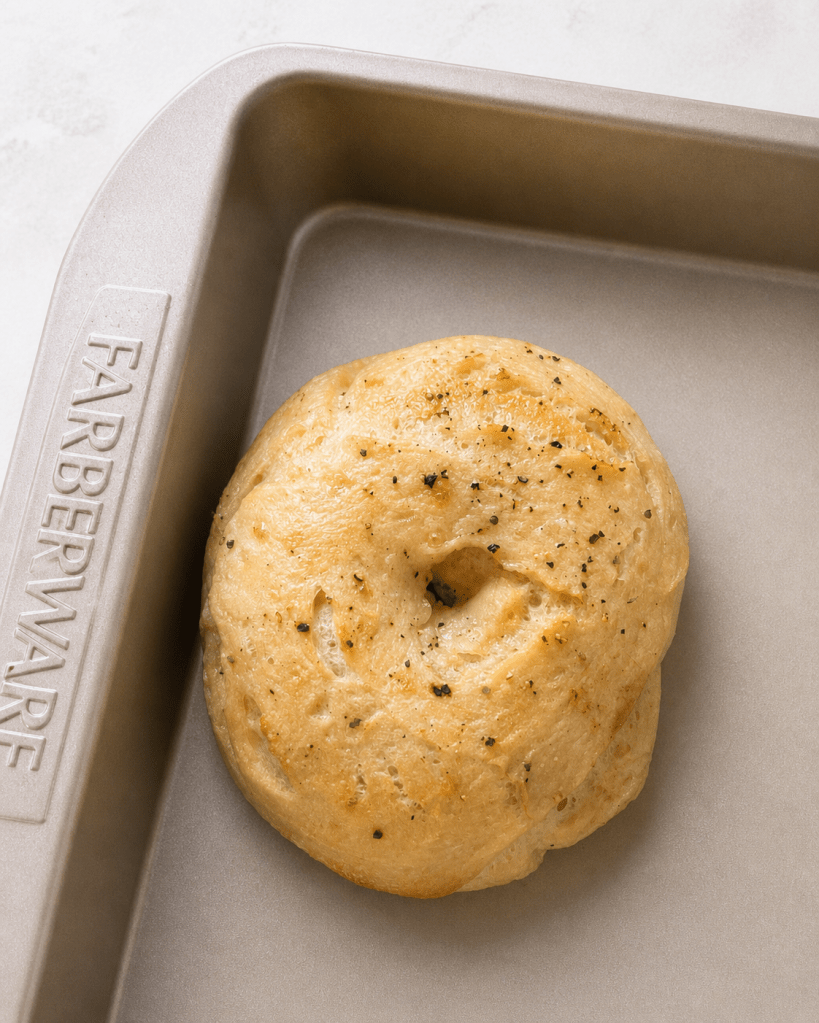
Bagels, Bagels, Bagels,
Whether you love a sweet cinnamon raisin bagel or a savory everything bagel, bagels are a staple in many households. As one of the best breakfast foods, in my humble opinion, this recipe will walk you through how to make a classic homemade bagel from scratch. It also includes tips on where and how to spice things up by adding different flavors, along with a few of my personal favorites. These bagels are chewy, doughy, filling, and perfectly thick with a soft, moist center. They’re the kind of homemade breakfast treat that feels cozy, satisfying, and totally worth the effort.
Difficulty Ranking
I gave this recipe a solid 4/5 chef hat ranking for a few reasons. First, making a perfectly round bagel without lumps or mishaps is harder than it looks. In fact, only about 1 out of every 10 bagels in my batches comes out picture-perfect. But honestly, that’s part of the charm. Who cares if they look a little uneven? They still taste just as delicious. Getting the yeast to rise just right can also be a little tricky, but it’s completely doable with patience. As long as you’re willing to let go of the idea of a perfectly shaped bagel, all will be well.
Song
Bagels remind me of the song “Put Your Records On” by Corinne Bailey Rae. Much like the song, bagels are warm, comforting, and always make your day a little bit better. It’s amazing how something as simple as bread can make the world feel a little brighter.
Why these ingredients
Truth be told, most bagels are naturally vegan, with the exception of egg bagels. Some bakeries use an egg wash after boiling to give bagels that perfect shiny, golden look, so I found a few easy vegan substitutes that work just as well.
Bread Flour
Bread flour has more protein than all-purpose flour, which helps build gluten. Gluten is what gives bagels their chewy, stretchy bite instead of making them soft and fluffy like dinner rolls. You can use all-purpose flour, but bread flour gives you the best classic bagel texture.
Water
Bagel dough is intentionally low-hydration, meaning it uses less water than many bread doughs. This makes the dough firm and dense, which helps create that classic tight crumb. Too much water can make bagels softer and more bread-like.
Instant Yeast
Yeast is what makes the dough rise and develop flavor. This recipe uses a modest amount because bagels are best when they rise slowly, especially if you do an overnight fridge rest. Too much yeast can make them taste overly “yeasty” instead of like a bakery-style bagel.
Salt
Salt is not just for flavor. It also strengthens the dough and controls yeast activity, helping the bagels rise steadily without becoming too puffy. Bagels should taste balanced, chewy, and savory, not bland.
Barley Malt Syrup or Honey
A little sweetener in the dough helps feed the yeast, adds flavor, and encourages browning. Barley malt syrup is the classic bagel ingredient and gives that traditional New York-style flavor. Honey is a great substitute and adds a slightly softer sweetness.
Boiling Water Bath
Boiling is what makes a bagel a bagel. It sets the outside of the dough before baking, which creates a chewy crust and helps the bagels hold their shape.
Baking Soda in the Boil
Baking soda makes the water more alkaline, which helps the bagels brown beautifully and gives the crust a slightly deeper flavor.
Malt Syrup or Honey in the Boil
Adding malt syrup or honey to the boiling water helps the outside of the bagels caramelize in the oven. It gives them shine, color, and a subtle sweetness.
Toppings
Plain bagels are classic, but toppings are where you can make them your own. Try sesame seeds, poppy seeds, everything seasoning, flaky salt, garlic, onion, cheese, or even chili flakes.
Vegan “Egg Wash” Options
Since many bakeries use egg wash for shine, here are a few vegan alternatives:
For a simple shiny finish, mix 1 tablespoon maple syrup or agave with 1 tablespoon plant milk. Brush lightly after boiling, then add your toppings and bake.
For extra shine, use plain aquafaba, which is the liquid from canned chickpeas. Brush a thin layer over the boiled bagels before adding toppings.
For deeper browning, mix 1 tablespoon plant milk, 1 teaspoon oil, and 1 teaspoon maple syrup. This gives the bagels more color and a softer shine.
For savory bagels, use plant milk with a tiny pinch of baking soda. This helps with browning without adding sweetness.
My personal pick is aquafaba for shine or plant milk with maple syrup for a more golden color. Just make sure to brush lightly so the crust still stays chewy.
Finally The Recipe
Yields: 8 medium-large bagels
Ingredients
Dough
- 500 g bread flour
about 4 cups, spooned and leveled - 285–295 g cool water
about 1 cup + 2½ to 3½ Tbsp - 10 g fine sea salt
about 1¾ tsp - 3 g instant yeast
about 1 tsp - 10–15 g barley malt syrup or honey or maple syrup
about 2 tsp to 1 Tbsp
Boil bath
- 3–4 quarts water
- 2 Tbsp barley malt syrup or honey
- 1 Tbsp baking soda
Optional toppings
You can top your bagel any topping your heart desires! I included some examples below but don’t let the list limit you!
- Sesame seeds
- Poppy seeds
- Everything bagel seasoning
- Flaky salt
- Dried garlic or onion
- Shredded cheese
- Chili flakes
- Raisins (my personal favorite)
Instructions
1. Make the dough
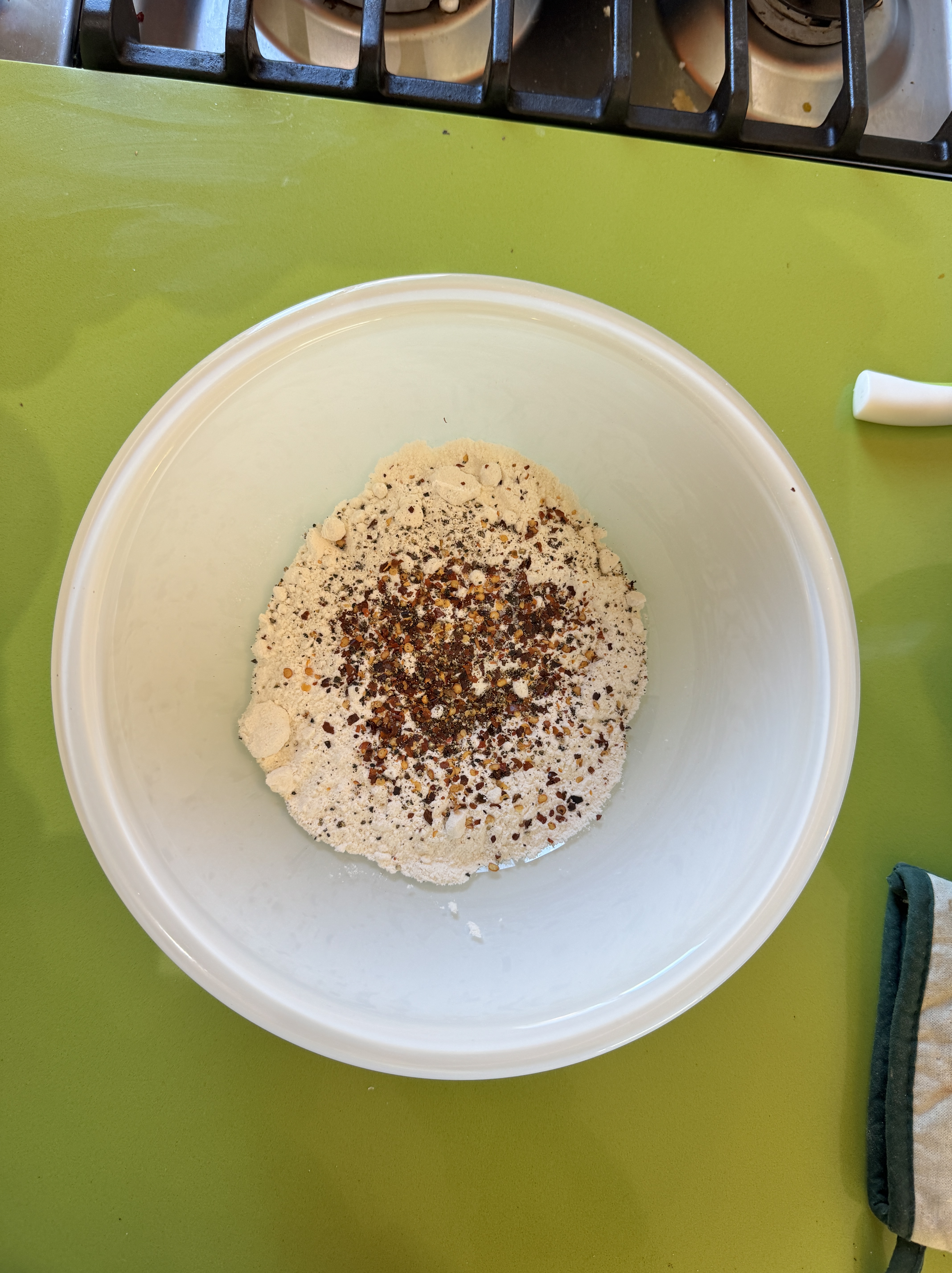
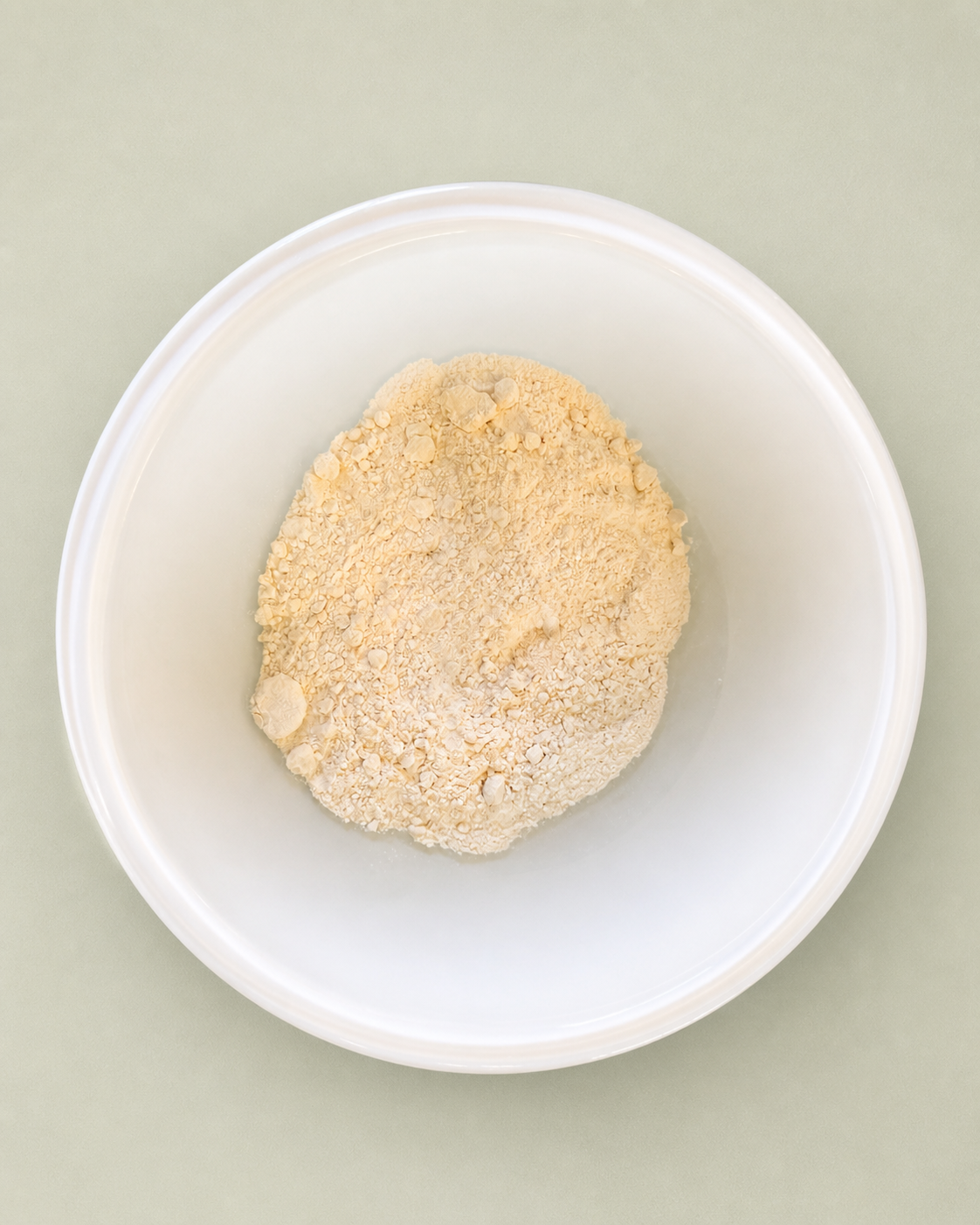
In a large bowl or stand mixer, combine the bread flour, salt, and instant yeast (if you are adding any dry seasonings you can add in here, my personal favorites are a chili peppers and a cinnamon seasoning with raisons). Stir the barley malt syrup or honey into the water, then add it to the dry ingredients.
Mix until a shaggy dough forms. The dough should feel stiff, not soft or sticky. If there are dry bits that will not come together, add water 1 teaspoon at a time.
2. Knead
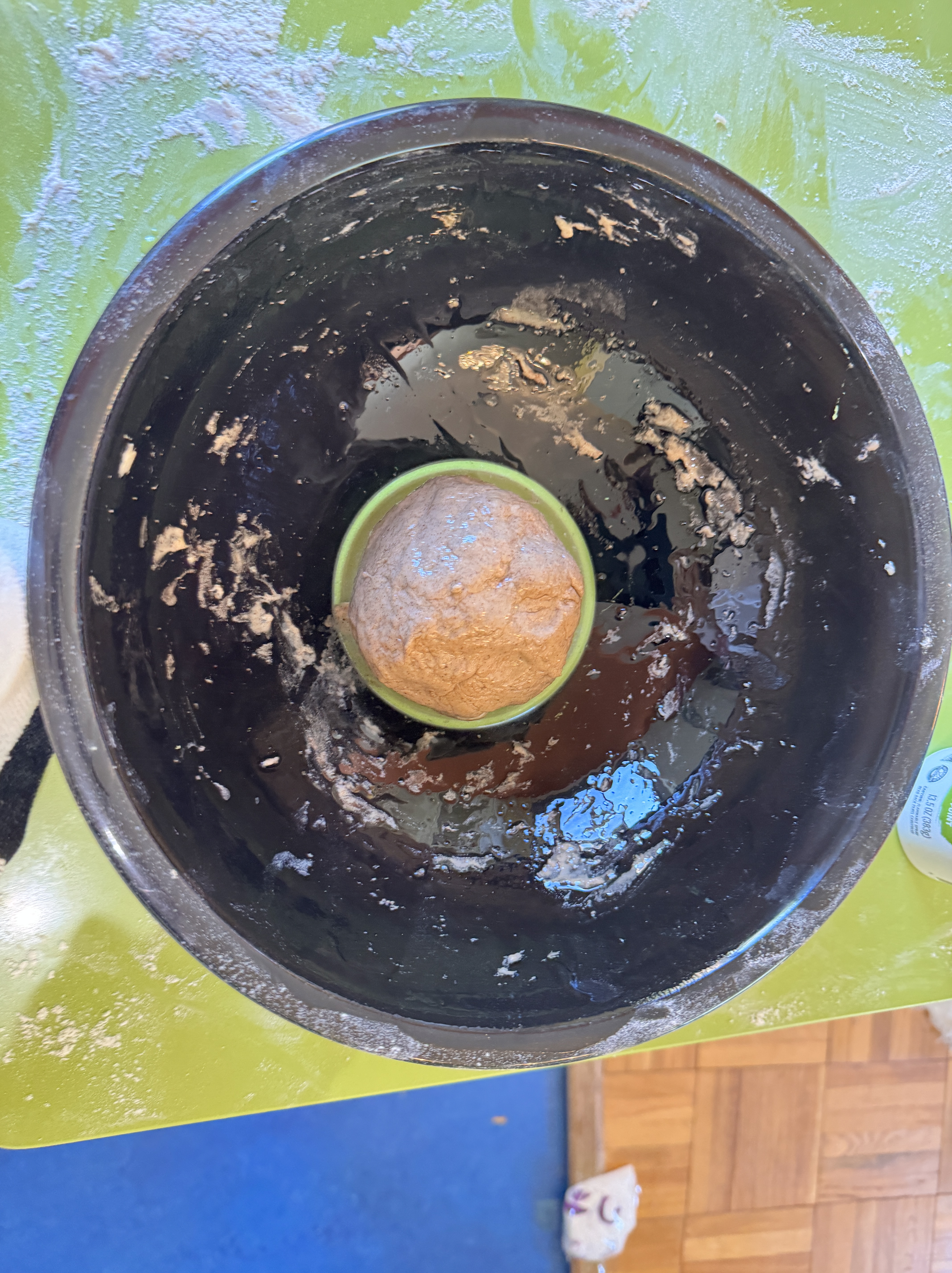
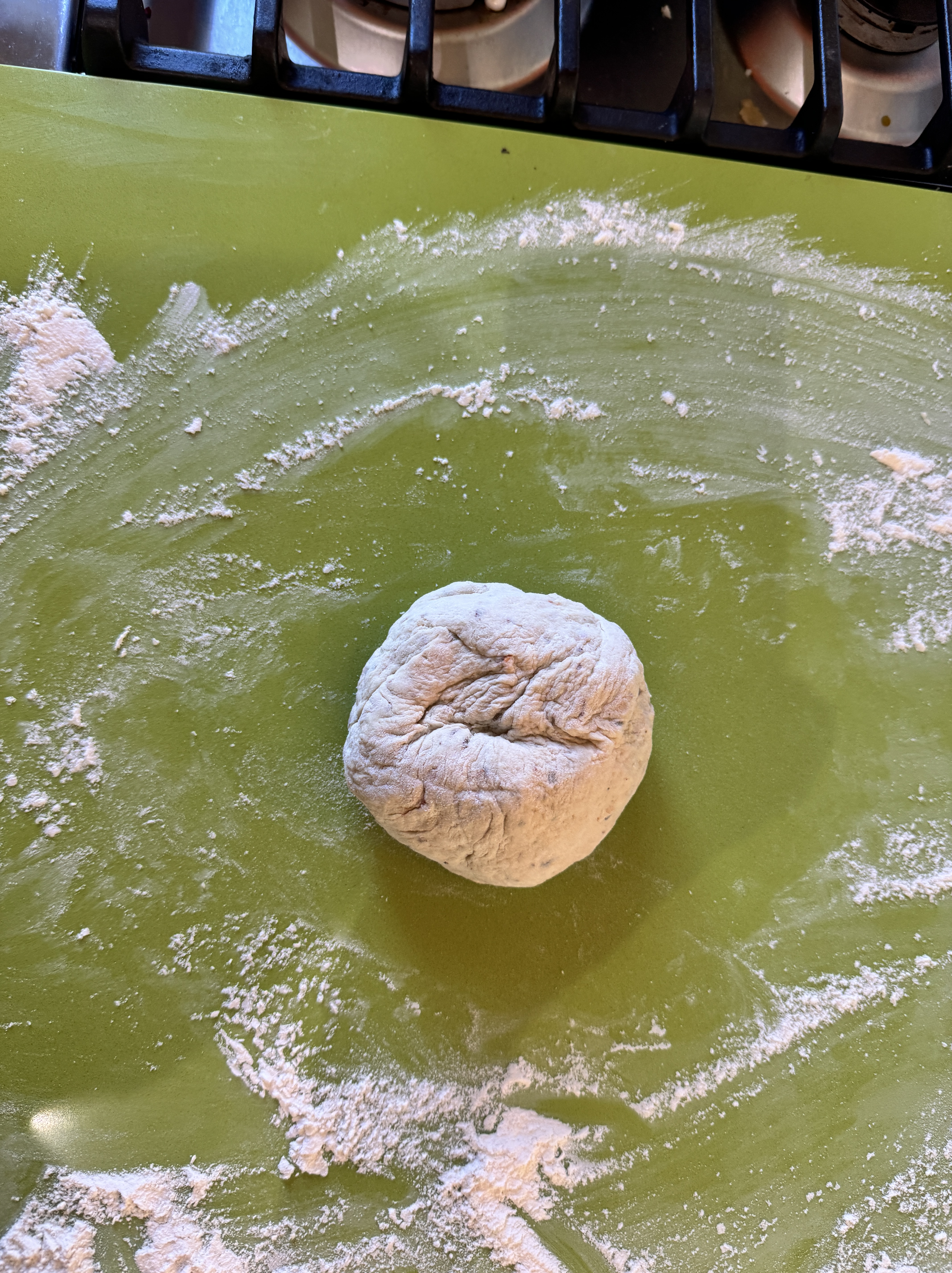
Knead for 6–8 minutes, until the dough is smooth, firm, and elastic. Bagel dough should feel denser than regular bread dough. If you have a Stan mixer (you fancy cat) you can also use that instead, but if not here’s the perfect opportunity to get an arm workout in.
3. Rest
Cover the dough and let it rest at room temperature for 1 hour. This relaxes the gluten and makes shaping easier.
4. Divide and shape
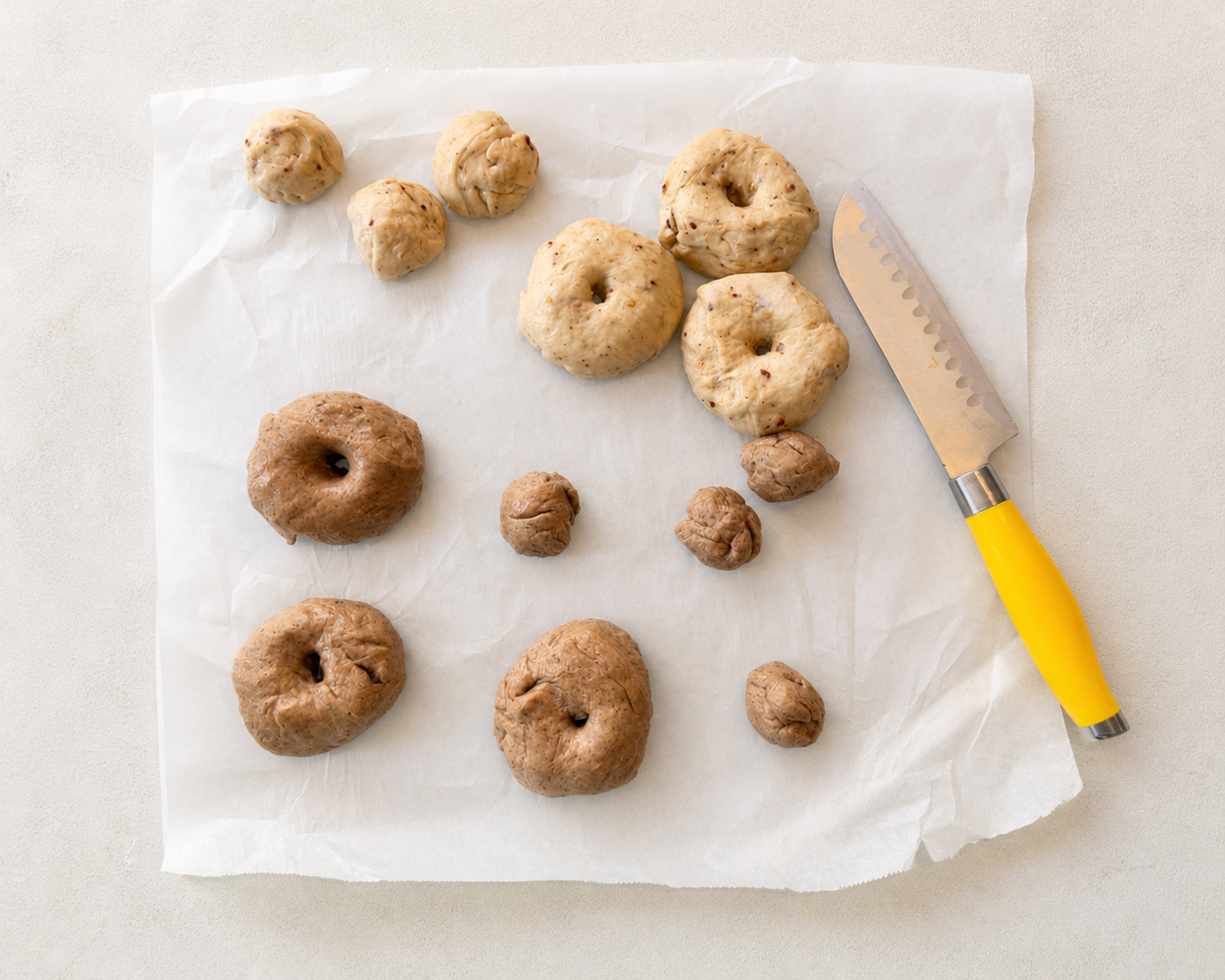
Divide the dough into 8 pieces, each piece does not have to be perfectly equal but they should be around the same so they cook the same way, aim for about 100–105 g per section, but you can also eye ball it. I always end up messing up some shapes, so I just turn those into little bagel balls instead 🙂
Shape each piece into a tight ball. Poke a hole through the center and gently stretch it until the hole is about 1½ to 2 inches wide. The hole will shrink as the bagel rises and bakes.
5. Cold ferment
Place the shaped bagels on a parchment-lined baking sheet. Cover well and refrigerate for 12–24 hours.
This overnight rest is one of the best upgrades you can make. It improves flavor, chew, and crust.
6. Preheat
The next day, preheat your oven to 470°F / 245°C. If you have a baking stone or steel, place it in the oven while it preheats. A regular sheet pan also works.
7. Boil
Bring the water to a gentle boil. Add the malt syrup or honey and baking soda.
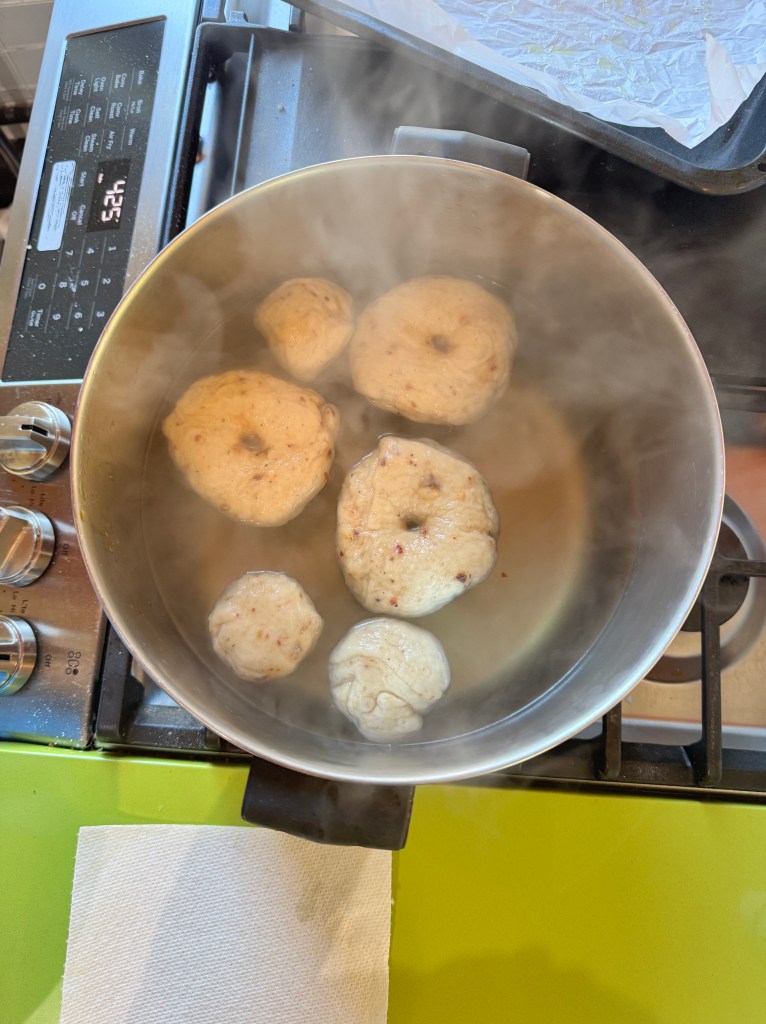
Boil the bagels 2–3 at a time for 30–60 seconds per side.
- 30 seconds per side = thinner crust
- 60 seconds per side = chewier, thicker crust
Drain briefly on a rack or towel.
8. Add toppings
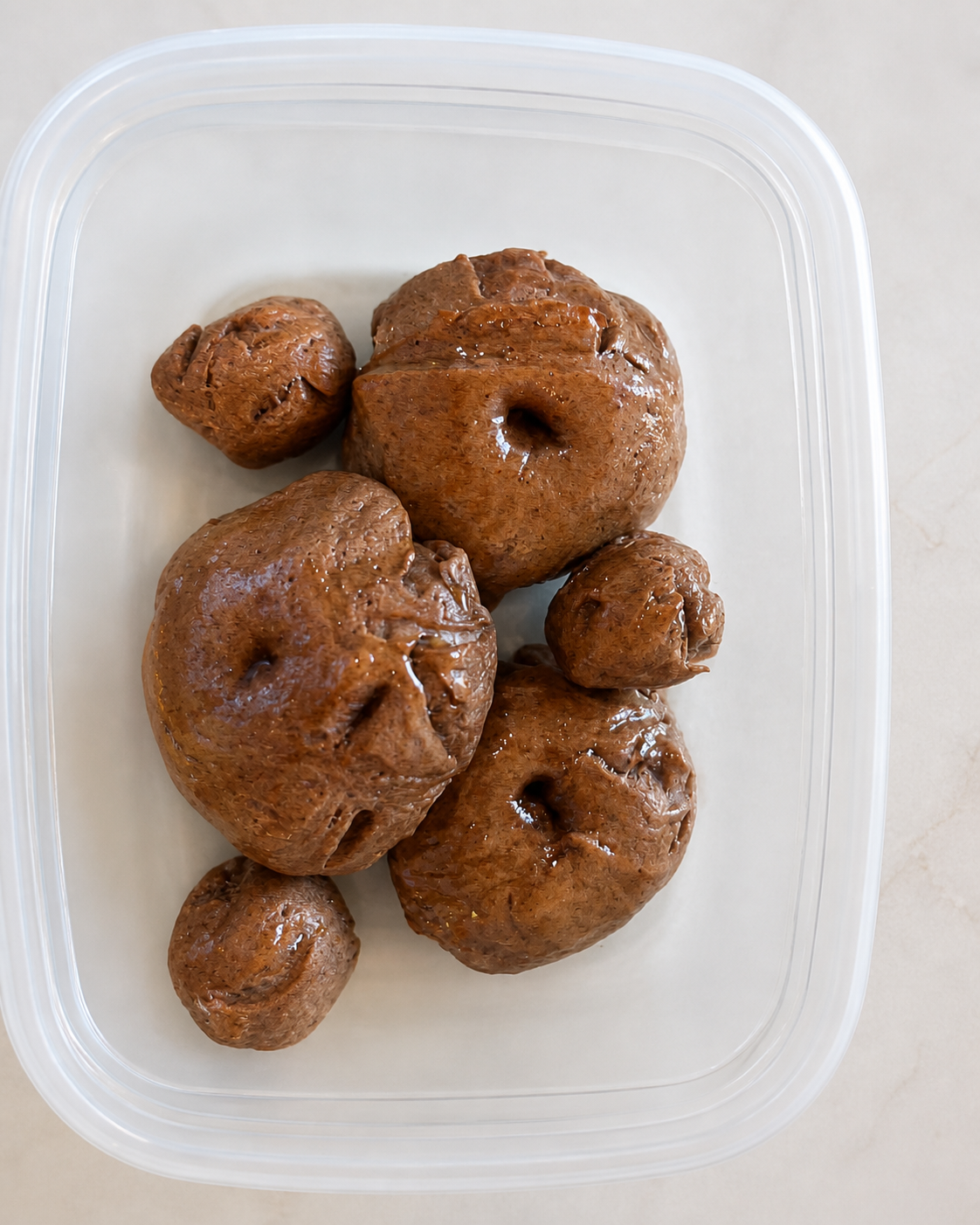
While the bagels are still wet and tacky, dip or sprinkle them with toppings. I like to do a light honey sriracha mixture and brush it on top of the bagels with chili flakes in them.
For plain bagels, leave them as-is. You can then do a nice coating top to make sure they bake extra golden. Here are three different options for this wash.
- Mix 1 tablespoon of marble syrup or agave with 1 tablespoon of any plant milk of your choice. Brush lightly after boiling, then add your toppings and bake.
- Use plain aquafaba, which is the liquid from canned chickpeas. Brush a thin layer over the boiled bagels before adding toppings.
- For deeper browning, mix 1 tablespoon plant milk, 1 teaspoon oil, and 1 teaspoon maple syrup. This gives the bagels more color and a softer shine.
- For savory bagels you can also , use plant milk with a tiny pinch of baking soda. This helps with browning without adding sweetness.
My personal pick is aquafaba for shine or plant milk with maple syrup for a more golden color. Just make sure to brush lightly so the crust still stays chewy.
9. Bake
Bake for 18–22 minutes, until deeply golden brown. Rotate the pan halfway through if your oven browns unevenly.
Let cool for at least 10–15 minutes before slicing.
Serve
Once the bagels are done baking, place them on a cooling rack and give them 10-15 minutes to cool before eating. You can also another glaze or top if you like, it could be a light brush of syrup or honey, let your imagination run wild and get crazy!
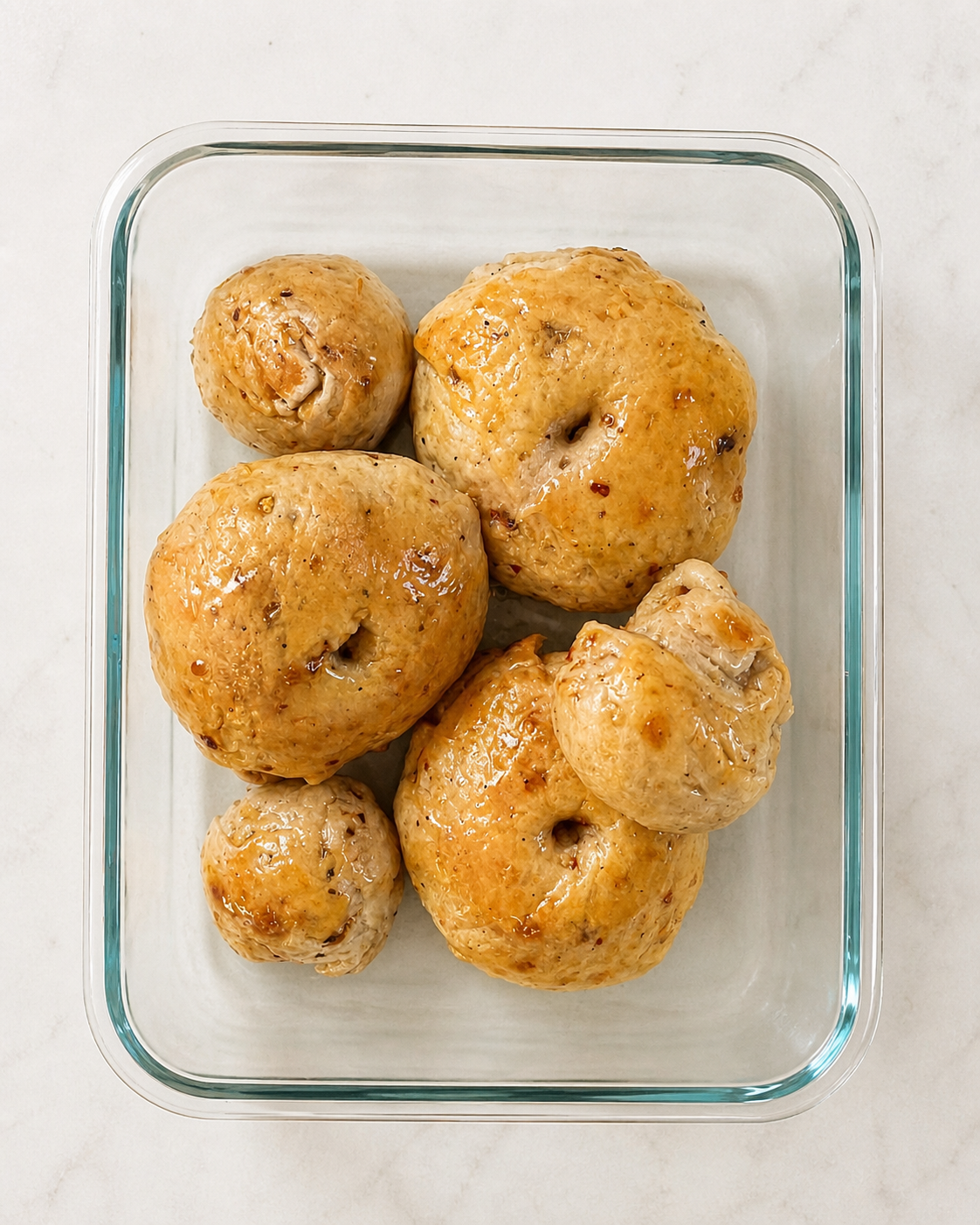
Other places you can add or alter the flavors if you want to get crazy
Bagels are super easy to customize, but different flavors work best in different places.
Add flavor to the dough
This gives a subtle flavor throughout the bagel.
Good options:
- Garlic powder: 1 tsp
- Onion powder: 1 tsp
- Cinnamon: 1½ tsp
- Black pepper: ½–1 tsp
- Chili flakes: ½–1 tsp
- Sriracha powder: 1–2 tsp
- Honey: increase to 25 g for a sweeter dough
For dry spices, add them with the flour.
For wet ingredients like hot sauce or extra honey, reduce the water slightly so the dough stays firm.
Add mix-ins
Fold these in near the end of kneading.
Good options:
- Shredded cheddar: ½–¾ cup
- Chopped jalapeños: ¼ cup, patted dry
- Raisins: ½ cup
- Blueberries: ½ cup dried blueberries, not fresh
- Toasted sesame seeds: 2–3 Tbsp
- Chopped herbs: 2 Tbsp
Avoid adding too many wet ingredients, or the dough can become sticky and hard to shape.
Add flavor to the boil
The boil mostly affects the crust.
Good options:
- Honey or malt syrup: classic shine and sweetness
- Baking soda: deeper browning
- A little maple syrup: subtle sweetness
- Tea or beer replacing some water: mild specialty flavor
Add flavor as toppings
This is the easiest and boldest way to flavor bagels.
Good options:
- Everything seasoning
- Sesame seeds
- Poppy seeds
- Dried onion
- Dried garlic
- Flaky salt
- Cheddar cheese
- Parmesan
- Chili flakes
- Cinnamon sugar after baking
Add flavor after baking
This works especially well for sticky, sweet, spicy, or glossy finishes.
Good options:
- Honey-sriracha glaze
- Garlic butter
- Hot honey
- Maple butter
- Cinnamon-sugar butter
Tips/Notes
Use bread flour for chew. Keep the dough stiff, even if it feels firmer than you expect. Do the overnight fridge rest if you have time. Boil before baking. And bake until the bagels are truly golden, pale bagels usually taste underdeveloped.
The best bagel should be chewy on the outside, dense but tender inside, and flavorful enough to eat plain. Then, if you want to dress it up with cream cheese, butter, eggs, smoked salmon, or a sweet-spicy glaze, even better.
Troubleshooting
Did your bagels not turn out exactly how you expected? No worries lets see if we can figure out what the problem is!
My dough is too dry and crumbly
Likely cause: Not enough water, or flour was packed too heavily into the cup.
Fix: Add water 1 teaspoon at a time while kneading until the dough comes together. It should be firm, but not cracking apart.
My dough is too sticky
Likely cause: Too much water or wet mix-ins.
Fix: Knead a little longer before adding flour. If it is still sticky, dust in flour 1 tablespoon at a time. Bagel dough should be tacky at most, not sticky.
My bagels are flat
Likely causes: Over-proofing, weak shaping, or dough too wet.
Fix: Shape the dough tightly, keep the hydration low, and don’t let the shaped bagels get overly puffy before boiling. They should look slightly risen, not ballooned.


Leave a Reply